
Losing teeth can change everyday life more than most people expect. Meals take longer, some words feel harder to pronounce, and many people become more aware of their smile in photos or conversations. When it’s time to replace missing teeth, the two options most patients compare are traditional dentures and dental implants.
Both can restore appearance and chewing function, but they do it in very different ways. Dentures are removable and sit on the gums. Dental implants are placed in the jawbone and support a crown, bridge, or even a denture. In Australia, both are established treatment options, but they differ in feel, maintenance, treatment time, and cost.
How traditional dentures work
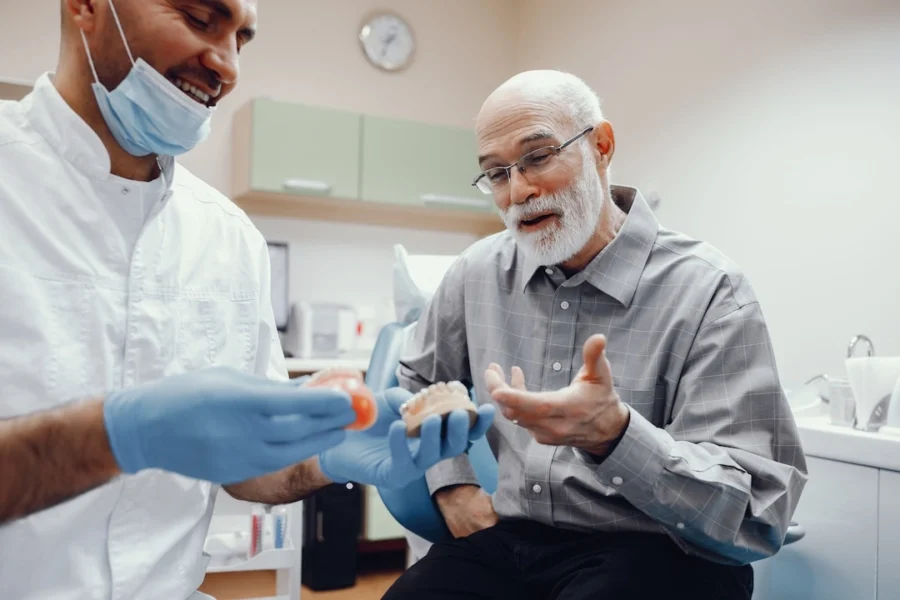
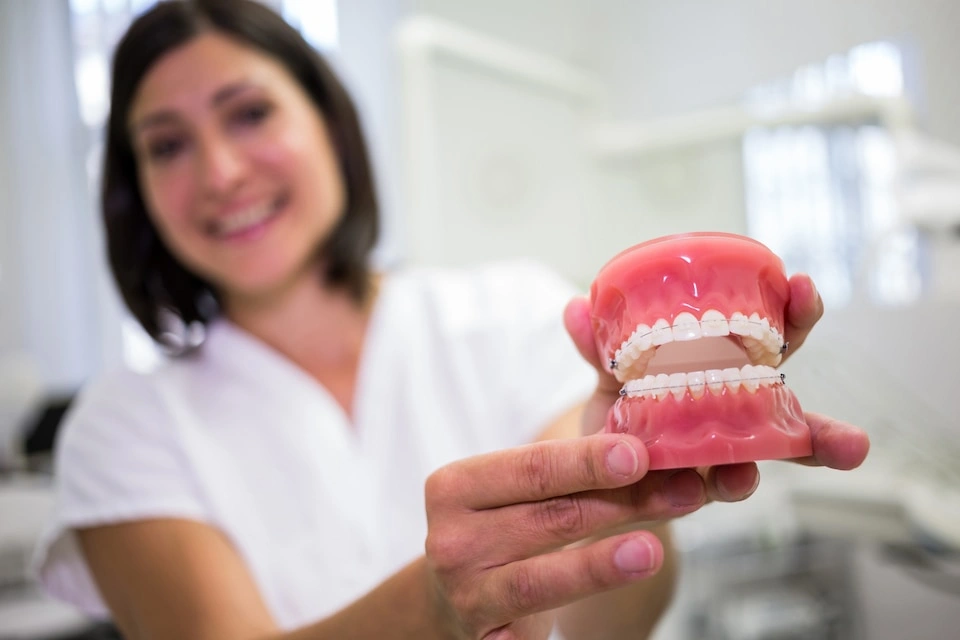
Traditional dentures replace multiple missing teeth with a removable appliance made to fit your mouth. They can be full dentures if all teeth are missing in the upper or lower jaw, or partial dentures if some natural teeth remain. Dentures are commonly made from acrylic or a mix of metal and acrylic, depending on the case.
For many Sydney patients, dentures remain the simplest starting point because they are more affordable upfront and do not involve implant surgery. They can improve appearance, support the lips and cheeks, and make it easier to chew than going without teeth. They are also a practical option when several teeth are missing or when a patient wants a less invasive treatment plan.
The downside is that dentures rely on fit. As the gums and jaw change over time, a denture that once felt secure can become loose. Adjustments, relines, and replacements are part of long-term denture wear for many people.
How dental implants work
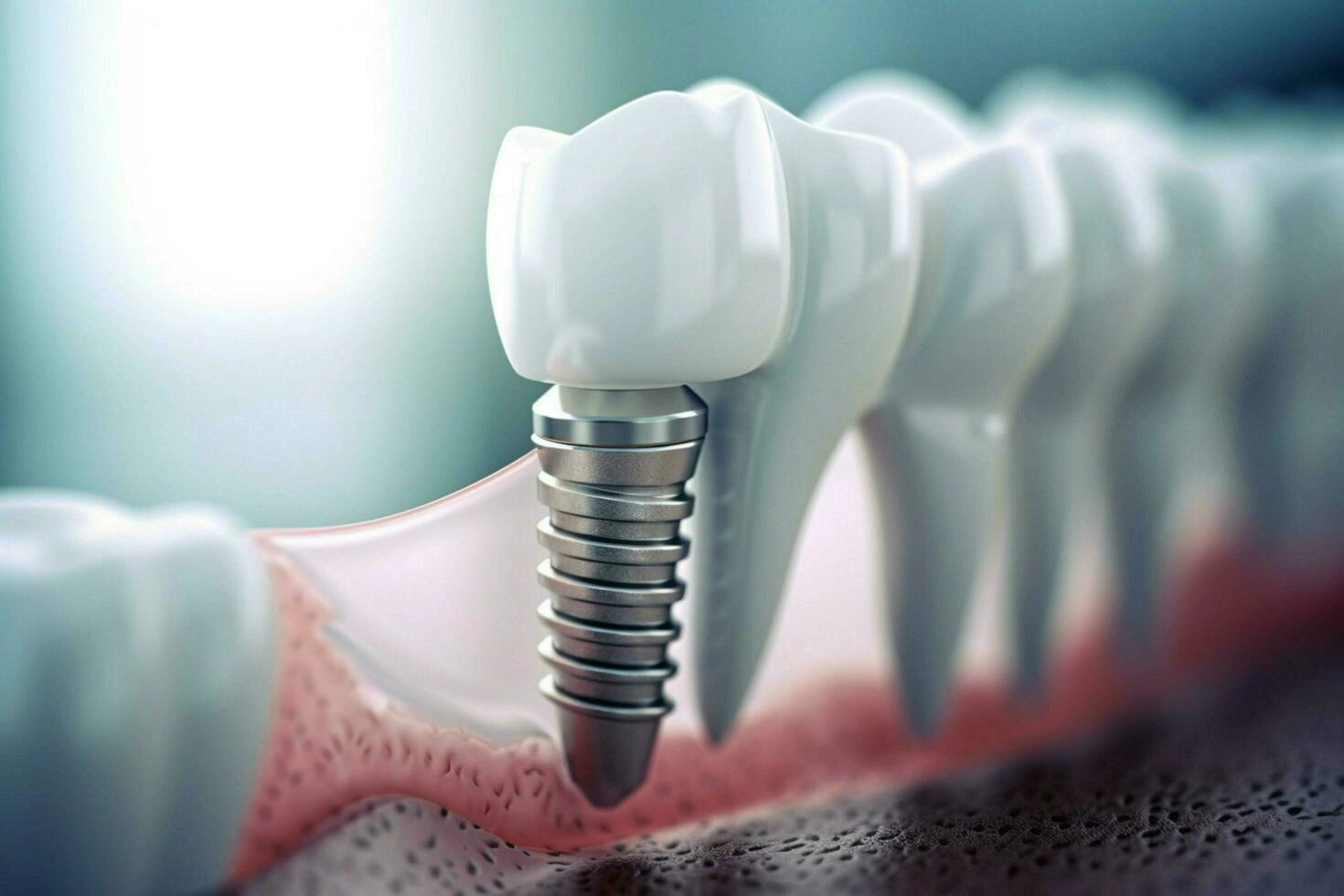
A dental implant is a titanium post placed into the jawbone where a tooth root used to be. Once the area heals, the implant supports a replacement tooth or teeth. Healthdirect explains that implants can support a crown, a bridge, or dentures, which makes them suitable for both single-tooth and more complex tooth replacement cases.
One of the biggest reasons patients choose dental implants is stability. Because the implant is anchored in bone, it tends to feel closer to a natural tooth than a removable plate. Healthdirect lists the main benefits as improved confidence, easier eating, a more natural feel, and the ability to replace a tooth without involving neighbouring teeth. The jawbone grows around the implant as it heals, which usually takes about three months before the final restoration is fitted.
That said, implants are not a same-week solution. Treatment planning, healing time, and the possibility of extra procedures such as bone grafting can stretch the timeline. Not every patient is a candidate either, so a proper examination and scans matter before any firm decision is made.
Pros and cons of traditional dentures
Dentures make sense for many people because they are more budget-friendly, non-surgical, and often faster to organise than implant treatment. They can also replace a full arch of teeth without the higher cost that often comes with multiple implants. For patients who want a practical fix and prefer to avoid surgery, dentures are still a solid option.
The drawbacks are familiar. Dentures can move while eating or speaking, especially if the fit changes over time. Some patients need a settling-in period before they feel natural. They also need to be removed and cleaned properly every day. The Australian Dental Association’s patient resource notes that dentures are cost-effective, but they still require care and maintenance.
Pros and cons of dental implants
Dental implants usually appeal to patients who want something that feels more stable and closer to their natural teeth. They do not need to be taken out at night, and they can make chewing firmer foods easier than a loose denture. For single missing teeth, they also avoid using the adjacent teeth as anchors, which is a practical advantage in the right case.
The trade-off is cost, time, and surgery. Implant treatment involves a surgical stage and usually takes longer than having dentures made. Some patients also need extra procedures before the implant can be placed. Even when everything is straightforward, implants are a larger financial commitment at the start.
What do dentures and implants cost in Sydney?
This is often the deciding factor.
Our single dental implant cost is $1,500, and the implant crown is $1,350, so a straightforward single-tooth implant treatment starts at $2,850. We keep our implant pricing clear, with no hidden costs on the implant itself.
The final cost can still vary depending on your treatment needs. If you need extra imaging, temporary teeth, complex surgery, or a more advanced replacement plan, the total may be higher. That’s why the most useful number is not a general online estimate but a written treatment plan based on the number of teeth being replaced and the condition of your mouth.
Which option is right for you?
Dentures usually suit patients looking for a lower upfront cost, a non-surgical option, or a practical way to replace many missing teeth. Dental implants tend to suit patients who want greater stability, a more natural feel, and a fixed solution that does not need to come in and out.
There isn’t one answer that suits everyone. The better option depends on your oral health, bone support, budget, and what you want daily life to feel like after treatment. Some patients also choose a middle ground, such as a denture supported by implants, to get better retention without moving to a fully fixed full-mouth solution.
Speak with a Sydney dentist about your options
If you’re comparing dental implants and dentures in Sydney, the best next step is a personalised assessment. A proper consultation can show what suits your mouth, what each option will cost in your case, and whether there are more affordable staged treatment options available.
At Affordable Dentist Sydney, we help patients understand the pros, limits, and likely costs of each treatment, so you can make a decision with confidence. Book a consultation today to discuss dentures, implants, and tooth replacement options that fit your needs and budget.
Tags: Dental Implants vs Traditional Dentures, single dental implant cost