

- What Does the Research Say About Implant Longevity?
- Why Implants Usually Outlast Other Tooth Replacement Options?
- Factors That Influence The Lifespan Of Dental Implants
- Oral Hygiene and Gum Health
- General Health, Medications and Lifestyle
- Bite Forces, Prosthetic Design and Review
- Factors That Shorten the Life of a Dental Implant
- How long do dental implants last in everyday life?
- How to Protect Your Implant for The Long Term?
- Ready to Plan for A Long-Lasting Smile?
- Frequently Asked Questions
Losing a tooth is unsettling at any age, so it is natural to look for a permanent solution that mimics the function and feel of natural teeth. Dental implants have established themselves as a premium choice of modern restorative dentistry. However, a recurring question for many patients relate to the endurance of dental implants. This blog aims to brings together current research, Australian statistics and real-world experience to help you make informed decisions.
What Does the Research Say About Implant Longevity?
Long term studies from Australia and overseas consistently show high survival rates of over 95 per cent when implants are placed and maintained correctly, placing them at the top of the list for tooth replacement options.
Local data also supports a long-life span. A 20-year meta-analysis of dental survival rates show that, with proper care, many implants remain in function for 25 years or more. When researchers follow patients over one to two decades, four out of five implants are still in place after 20 years, which is a much better result than is usually seen with bridges or dentures.
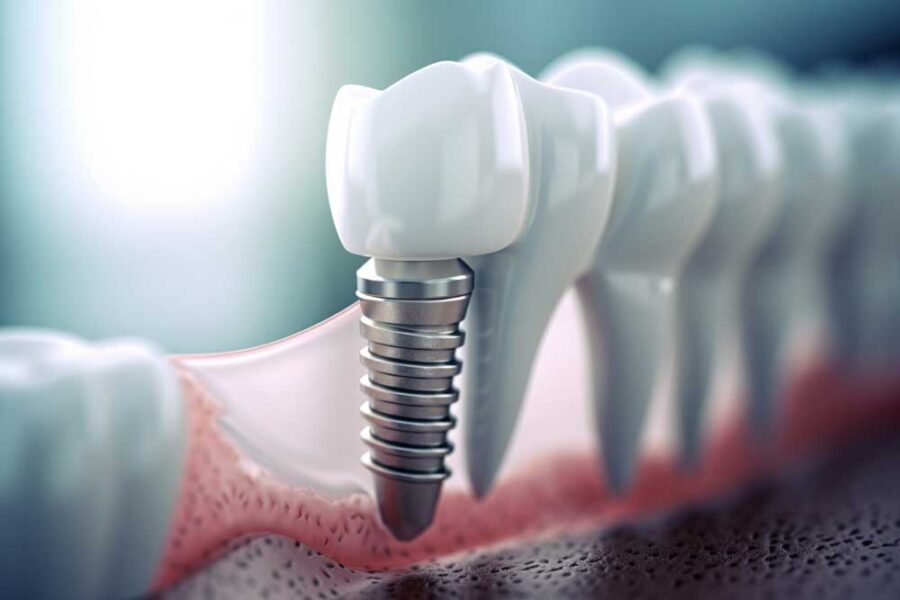
These figures show why implants are often described as a “long term” or “near permanent” option. The titanium fixture in the bone is designed to last much longer than the prosthetic crown that attaches to it, which may need replacement earlier due to normal wear or cosmetic changes.
Why Implants Usually Outlast Other Tooth Replacement Options?
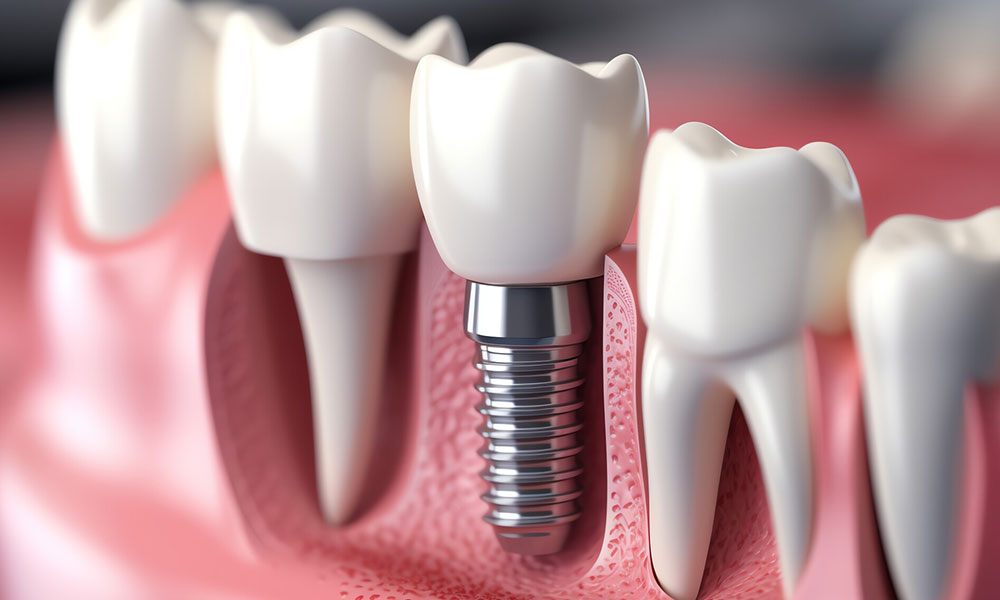
Dental implants are different from removable dentures or traditional bridges. The implant fixture is placed directly into the jaw and fuses with the bone. This process, called osseointegration, gives the implant a level of stability that is closer to a natural tooth root than any other treatment.
That stability brings several long-term advantages:
- The implant helps preserve bone volume, which reduces shrinkage of the jaw over time.
- Neighbouring teeth do not need to be cut down for a bridge.
- Daily cleaning is similar to brushing and flossing around natural teeth.
By comparison, conventional bridges often need replacement after 10 to 15 years, and removable dentures tend to loosen as the jawbone remodels, leading to ongoing adjustments and remakes. It is this difference in long term performance that makes Dental implants Sydney such an appealing option for many patients.
Factors That Influence The Lifespan Of Dental Implants
Implants have an excellent track record, but they are not completely maintenance free. Several clinical and lifestyle factors affect how long an implant and its crown are likely to last.
Oral Hygiene and Gum Health
Plaque around an implant can inflame the surrounding gum and bone. If this progresses to peri-implantitis, the supporting bone can slowly break down. Daily brushing, cleaning between the teeth and regular professional cleans are essential to keep the tissues healthy.
If gum health is a concern, it helps to read more about gum disease and dental implants and discuss any symptoms with your dentist before treatment.
General Health, Medications and Lifestyle
Systemic conditions and medicines can affect healing and long-term bone turnover. Smoking is a particular concern: According to the University of Queensland Researcher’s data, the failure rates can be up to 20 per cent in smokers, compared with much lower rates in non-smokers. Keeping medical conditions well controlled, cutting back or quitting smoking and looking after general health all give the implant a better chance of long-term survival.
Bite Forces, Prosthetic Design and Review
Heavy clenching or bruxism (night time grinding) can overload implants and crowns. Unlike natural teeth, implants do not have a ligament to absorb shock, so stresses move straight to the bone and components. Careful design of the crown or bridge, and regular check-ups to adjust the bite, help protect the fixture over time.
Factors That Shorten the Life of a Dental Implant
Several factors influence the outcome:
- Plaque and bacteria around the implant can lead to peri-implantitis, a gum infection that damages the supporting bone.
- Smokers have higher failure rates and slower healing.
- diabetes, osteoporosis and immune conditions may affect bone healing and long term stability.
- Heavy clenching or untreated bruxism can overload the implant and the crown.
- Patients with past periodontal disease need closer monitoring, as the same bacteria can affect implants.
How long do dental implants last in everyday life?
Research often talks about “survival rates” at 5, 10 or 20 years. Patients usually care more about a simple question: how long do dental implants last ?
For a healthy non-smoker who cleans well and attends regular check-ups, many Australian dentists expect a modern implant to remain in service for at least 10 to 15 years, and often considerably longer. Some fixtures placed in the 1980s and 1990s are still functioning well today.
The part that tends to wear sooner is the crown or bridge that sits on top. Ceramics can chip, bite patterns can change and cosmetic preferences shift over time. Replacing a crown after a decade or more does not mean the implant has “failed”; it simply reflects normal maintenance, similar to updating an old filling or veneer.
For patients asking specifically, the answer is shaped less by location and more by the same core factors: surgical skill, quality materials, bone support and the way the mouth is cared for afterwards.
How to Protect Your Implant for The Long Term?
The choices you make after treatment can add years to the life of an implant. Helpful habits include:
- Thorough brushing twice daily with a soft toothbrush.
- Cleaning between the teeth and around the implant with floss or interdental brushes.
- Regular professional cleans and review X-rays to monitor the bone.
- Wearing a night guard if you grind your teeth.
- Limiting smoking and heavy alcohol intake where possible.
Most long-term complications begin quietly, with minor bleeding or tenderness around the implant. Early review makes treatment simpler and improves the chance of keeping the fixture in place.
Ready to Plan for A Long-Lasting Smile?
Dental implants are not indestructible, yet the evidence is clear: when placed by experienced clinicians and cared for well, they outlast most other tooth replacement options and often stay in service for decades. For many people, that combination of stability, comfort and longevity offers a strong return on both time and money.
If you are comparing options or weighing up timing, our team can help you understand your specific risks, expected lifespan and costs in plain language. Schedule an appointment with us today.
Frequently Asked Questions
1. Can a dental implant really last a lifetime?
There is no fixed expiry date for an implant. Studies show many fixtures still functioning well 20 to 25 years after placement, and some last even longer in healthy, well maintained mouths. Lifelong success is more likely if you keep your gums healthy, avoid smoking and attend regular check-ups so any problems are picked up early.
2. Do older patients get the same lifespan from implants as younger adults?
Age alone is not the main issue. Plenty of older patients enjoy long term success with implants. What matters more is general health, bone quality, medications and the ability to maintain good oral hygiene. Your dentist will consider these factors and may suggest additional planning or maintenance visits if you have complex medical needs.
3. Are dental implants worth it if the crown might need replacement later?
For many people, yes. Even if the crown needs replacement after 10 to 15 years, the underlying implant can often stay in place, so you are not starting from scratch. This compares well with bridges or dentures, which usually need more frequent remakes and may weaken or reshape nearby teeth and bone over time.
Tags: dental implants Sydney, gum disease and dental implants