

Mums often deal with surprising challenges after welcoming a baby. One that pops up is wisdom tooth pain. A throbbing jaw is the last thing any parent needs. Questions arise about timing, safety, and how to keep breastfeeding on track. The reassuring news is that wisdom teeth removal can usually be carried out while breastfeeding, with appropriate planning around anaesthetic and medication. This piece explores ways to handle tooth extraction, with a focus on the comfort of mother and child. We’ll look at common reasons for removal, ideas for pain relief, and tips for a smooth recovery. The aim is to provide helpful information in plain language. No fuss, no complicated jargon.
The Reality of Wisdom Teeth
Each adult set usually has four wisdom teeth. They sit at the back corners of the mouth and often appear between late teens and early twenties. Some fit in neatly. Others get stuck or sprout at odd angles. That triggers gum problems, swelling, or decay. Nursing parents might find that discomfort blocks everyday tasks. Many wonder if dental procedures affect milk supply or pass medication to the baby.
Reasons for Extraction
Hormones can shift after childbirth, which influences gum health. A partially erupted tooth can trap food. That can trigger infections or intense pain. An impacted tooth may also contribute to problems around the neighbouring tooth, including decay, gum inflammation or infection. An impacted tooth can shove neighbouring teeth, causing alignment woes. Ongoing infections, advanced decay, or gum swelling might lead to extraction. Some mums battle mild aches. Others face severe pain or fever that limits chewing. If the dentist finds deeper issues, removal might be the path forward. Untreated problems can escalate, placing overall oral health at risk.
Signs Suggesting a Need for Removal
- Persistent toothache or soreness
- Red, swollen gums
- Jaw stiffness
- Fever from infection
- Bad smell or taste in the mouth
- Bleeding or pus near the back molars
A dentist will likely do X-rays to spot decay or hidden problems. Dental X-rays themselves do not require breastfeeding to be interrupted, but always let
Is Removal Safe for Nursing?
Many mums worry that anaesthetic or pain meds might pass to the baby through milk. In most cases, wisdom tooth removal and the local anaesthetic used for it are compatible with breastfeeding. Local anaesthesia targets the area around the tooth only very small amounts are expected to reach breast milk.
Sedation is possible too, with safety measures in place.For many commonly used anaesthetic and sedation medicines, breastfeeding can resume once the mother is awake, alert and able to safely hold and feed her baby. There is generally no need to routinely “pump and dump” after anaesthesia.
Because the exact advice can depend on the medicines used, tell the dentist or anaesthetist that you are breastfeeding before the procedure.
Preparing for the Procedure
Communicate your breastfeeding status to the dentist. They may pick a medication plan that works best. Seek advice from a lactation consultant if you have concerns. Feeding or expressing shortly before the appointment can also help with comfort, particularly if the procedure or recovery keeps you away from your baby for a while. Keep a friend or relative on call to help with baby care when you rest. A calm setup at home eases stress once you’re back from the clinic. Planning saves hassles down the line.
Cost can also be part of the decision, particularly if more than one wisdom tooth requires treatment. Patients comparing a wisdom teeth removal price Sydney should check what the quoted fee includes and whether the tooth is considered a simple or complex extraction.
The Extraction Process
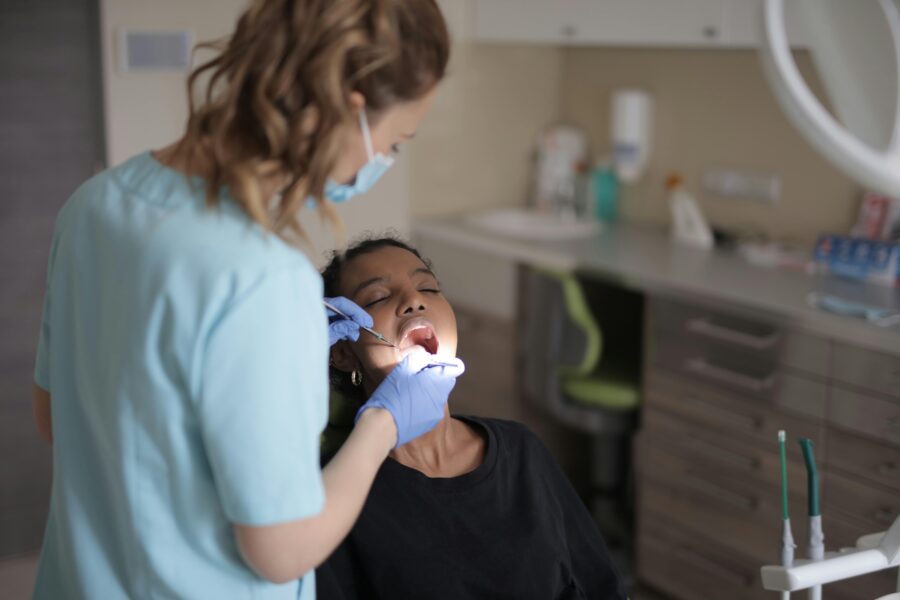
The dentist or surgeon numbs the gum. Sometimes, a small cut is made. The tooth is loosened and removed. Stitches might follow, plus a gauze pack to curb bleeding. The entire process may end in under an hour. Complex wisdom teeth removal Sydney could take longer. Some patients feel mild discomfort, others feel a sharper ache. Post-procedure swelling can appear, but it often settles soon. Following the care plan helps a swift recovery.
The complexity depends on factors such as the tooth’s position, whether it is impacted and how much of it has erupted. Your dentist can explain what to expect after reviewing the tooth and any required X-rays.
Managing Pain and Medication
Once the numbing fades, a dull ache may begin.
Paracetamol and ibuprofen are commonly used for dental pain and are generally considered compatible with breastfeeding when they are suitable for the individual. However, your medical history, other medicines and the type of procedure still matter, so follow the dose and medication recommended by your dentist, GP or pharmacist.
If stronger prescription pain relief or antibiotics are required, remind the prescriber that you are breastfeeding so they can select an appropriate option.
Anxiety is normal. A frank talk with a dentist or GP helps. Many mums navigate extraction and continue feeding without issues. A bit of planning and knowledge eases concerns about medication and baby’s well-being. For families watching their budget, asking for the expected treatment cost before the appointment can also prevent surprises.
Recovery Pointers
- Pick soft or lukewarm foods for a few days. Soup, yoghurt, or mashed veggies work well.
- Give your body rest. Enlist loved ones to help with chores or hold the baby.
- Avoid vigorous rinsing, spitting or disturbing the blood clot during the first 24 hours. After that, gentle warm saltwater rinses may be recommended by your dentist.
- Watch for intense pain or swelling. That might signal an infection. Seek prompt dental advice if it worsens.
- Avoid smoking and drinking through a straw during early healing, as the suction can disturb the clot protecting the extraction site.
Anesthesia Types
Local anaesthesia is common. It numbs the area within minutes. Sedation is another route, though it requires a bit more planning for nursing mums. Current guidance does not generally require breastfeeding mothers to wait a fixed number of hours after anaesthesia or automatically discard their milk.
Instead, breastfeeding can often restart once you are awake, alert, orientated and physically able to safely feed or express. The exact advice should still be confirmed with your dentist or anaesthetist because different medicines and individual circumstances may require different precautions.
If you expect to be separated from your baby for several hours, expressing milk beforehand may simply make the day easier rather than being medically required.
Dental costs vary across Australia. Folks seeking wisdom teeth removal cost Sydney can check with their dentist about the expected fee, whether imaging is required and whether the extraction is simple or surgical.
Oral Hygiene After Extraction
Daily routines can feel tough when caring for a new baby. Yet consistent brushing and flossing guard the rest of your mouth from trouble. Gently clean around the extraction site. Follow your dentist’s instructions about when to begin saltwater rinses and avoid brushing directly over the socket during the earliest stage of healing. Good nutrition fuels recovery. Lean protein and gentle-to-chew foods can boost energy. Try smoothies packed with fruits or veggies. Drink smoothies from a cup rather than through a straw while the socket is healing. Keep crunchy or seedy snacks off the menu until the gum feels better.
Stress Relief and Self-Care
Pain disrupts daily life. That can sap energy meant for looking after your newborn. A gentle routine helps ease tension. A wrapped cold pack against the outside of the cheek can help with swelling during the early recovery period. A quick power nap can reset your mood. Slow breathing exercises can calm racing thoughts. If the baby naps, grab a few minutes to yourself. Chat with friends or a support group if you feel anxious about the procedure. A small break can lift your spirits and help the healing process.
Mums are strong. A bit of tooth drama won’t overshadow precious moments with your baby. A safe and straightforward procedure can restore comfort and help you keep smiling.
Ending Note
Having a wisdom tooth pulled is rarely on anyone’s wish list, but it’s a common fix for persistent pain. With the right preparation and professional guidance, many mums handle it and keep breastfeeding on track. A healthy mouth boosts your well-being, and that helps you care for your little one. Trust your instincts, speak up about concerns, and lean on those around you. Relief is around the corner. . If wisdom tooth pain is persistent, swelling is increasing or you suspect an infection, arranging a dental assessment sooner rather than waiting can help prevent the problem becoming more difficult to treat.
FAQs
1. Can I breastfeed right after surgery?
After local anaesthetic alone, breastfeeding can usually continue without interruption. If sedation or general anaesthesia is used, breastfeeding can generally resume once you are awake, alert and able to safely feed your baby. Follow any specific instructions from your dentist or anaesthetist.
2. Do I need to pump and dump?
Usually, no. Routine pumping and discarding of breast milk after dental local anaesthetic or most anaesthesia is generally unnecessary. If you have been given a particular medication and are unsure, ask your dentist, pharmacist or doctor.
3. What if I feel too tired to feed?
If you have had sedation, make sure another responsible adult is available to help care for the baby until you are fully alert.
4. Will I lose milk supply?
Unlikely. Try to maintain your pumping or feeding routine as much as possible. A temporary disruption can occasionally happen if pain, stress, dehydration or time away from your baby reduces feeding frequency, so feed or express regularly when you are able.
5. Can I have a dental X-ray while breastfeeding?
Yes. Routine dental X-rays do not require you to stop breastfeeding or discard breast milk.
6. Should I delay wisdom tooth removal until I stop breastfeeding?
Usually not simply because you are breastfeeding. If a wisdom tooth is causing significant pain, infection, swelling or damage, delaying necessary treatment can create a bigger dental problem. Your dentist can assess whether removal is needed now or whether the tooth can safely be monitored.
Tags: cheap wisdom teeth removal Sydney, wisdom teeth removal cost Sydney, wisdom teeth removal price Sydney, wisdom teeth removal Sydney