

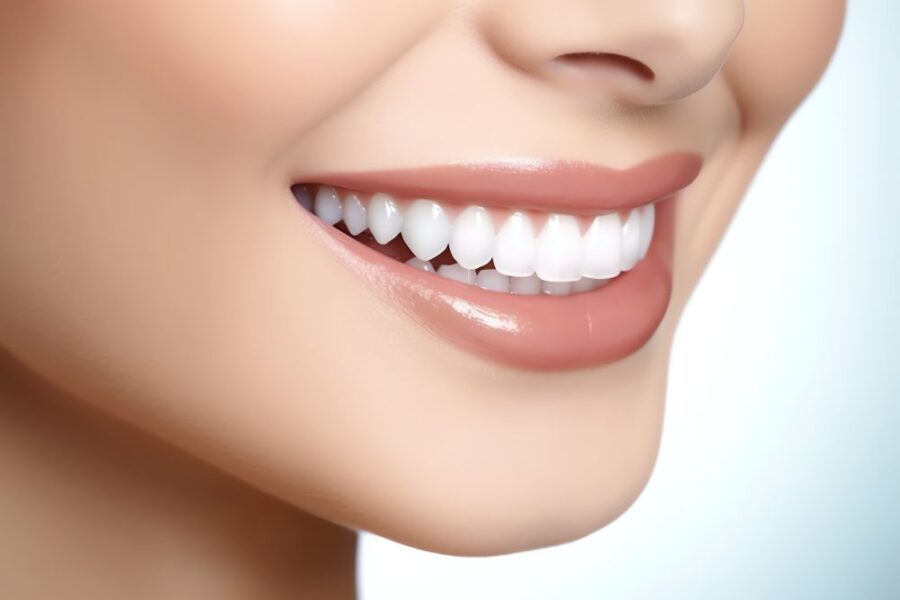
Bright, healthy-looking teeth are often associated with confidence and good oral hygiene. Over-the-counter whitening strips have grown in popularity as a convenient at-home solution for many individuals. While they promise a brighter smile, questions remain about their safety and effectiveness. Many dental professionals recommend opting for in-office teeth whitening instead, offering faster results with reduced risks.
How Whitening Strips Work and Their Limitations
Whitening strips are thin, flexible pieces coated with a bleaching agent, usually hydrogen peroxide or carbamide peroxide. When applied to the teeth, the chemicals penetrate the enamel to remove surface stains. The appeal lies in convenience and cost-effectiveness, allowing users to treat their teeth at home without visiting a dental clinic.
However, at-home strips have notable limitations:
- Concentration limits: To remain safe for unsupervised use, strips contain lower concentrations of bleaching agents than professional treatments, leading to slower or uneven results.
- Limited coverage: Strips may not fit all teeth perfectly, leaving some areas less treated.
- Inconsistent duration: Following the recommended wear time is essential, but slight deviations can reduce effectiveness or increase sensitivity.
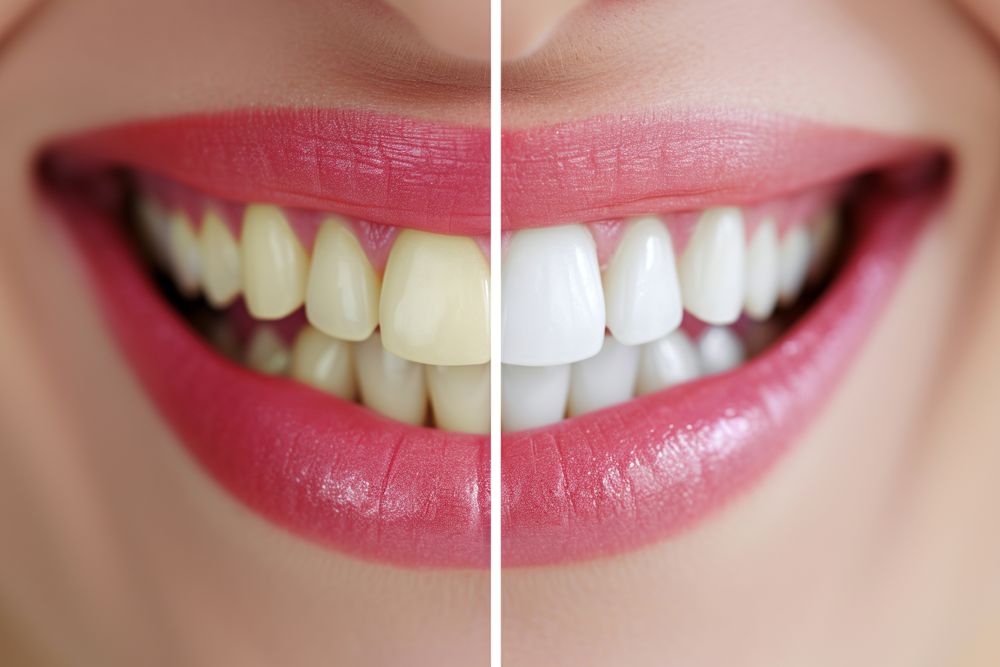
While whitening strips can provide mild cosmetic improvement, they rarely match the uniform, long-lasting results achieved through professional teeth whitening conducted under expert supervision.
Can Whitening Strips Harm Your Teeth?
Repeated or improper use of whitening strips may cause temporary or long-term issues. Dentists frequently encounter patients with concerns such as:
- Tooth sensitivity: Overexposure to bleaching agents can irritate nerve endings, resulting in heightened sensitivity to hot or cold foods and drinks.
- Gum irritation: Strips may come into contact with the gums, causing discomfort, inflammation, or even minor burns.
- Enamel erosion: Frequent or prolonged application can gradually wear down the enamel, making teeth more prone to cavities or staining.
- Uneven whitening: Variations in fit and duration can result in patchy or inconsistent colour.
Although these risks are often manageable at home, the absence of professional guidance can make them more likely. Patients with pre-existing dental conditions, such as worn enamel or sensitive teeth, are particularly vulnerable.
Dentists strongly advocate for supervised whitening treatments to mitigate these risks while achieving optimal results.
Also Read: Don’t Dread Teeth Whitening: Here’s What to Expect
The Benefits of In-Office Teeth Whitening
In-office teeth whitening offers advantages that cannot be matched by at-home products. Dentists apply stronger bleaching agents safely and can customise treatment to each patient’s needs. Key benefits include:
- Rapid results: Most patients see noticeable whitening after a single session, often several shades brighter.
- Customised care: Protective measures such as custom-fitted trays and gum shields reduce irritation.
- Safety monitoring: Dentists can adjust treatments for sensitive teeth or enamel weaknesses.
- Even coverage: Professional application ensures uniform results across all teeth.
- Long-lasting effects: With proper care, professional whitening results typically endure longer than at-home methods.
Patients seeking immediate, noticeable improvements or those with previous sensitivity often find that investing in professional dentist teeth whitening provides the best outcome.
Whitening Strips vs. Professional In-Office Care
A comparison helps clarify why dentists recommend professional treatment over over-the-counter options:
| Feature | Whitening Strips | In-Office Whitening |
| Speed | Weeks of daily application | Single 60–90 minute session |
| Strength | Low concentration | High, dentist-controlled concentration |
| Safety | Risk of sensitivity and gum irritation | Monitored and custom protection |
| Results | Mild, uneven | Dramatic and uniform |
| Cost | Affordable | Moderate, but longer-lasting |
While strips remain a convenient choice for minor stain removal, in-office procedures deliver safer, more predictable results with professional oversight.
Maintaining Your Professional Whitening Results
Even after professional whitening, proper care is necessary to extend results:
- Avoid foods and beverages that stain teeth, such as coffee, red wine, and strongly coloured sauces.
- Maintain daily brushing and flossing routines.
- Use touch-up kits provided or recommended by your dentist to refresh your smile as needed.
- Schedule regular check-ups for cleaning and monitoring enamel health.
Professional guidance ensures whitening remains safe and effective over the long term, minimising the risks that accompany unsupervised strip use.
Frequently Asked Questions
Are whitening strips safe for sensitive teeth?
Whitening strips can increase sensitivity, especially in people with pre-existing issues. Professional care provides customised protection to reduce discomfort.
How long do in-office whitening results last?
Results usually last 12–24 months, depending on diet, oral hygiene, and lifestyle habits. Occasional touch-ups may be recommended.
Can I use whitening strips after professional treatment?
It’s best to consult your dentist first. Overuse of strips after in-office whitening can irritate enamel or gums and affect colour consistency.
Why do professional treatments cost more than strips?
Professional whitening uses higher-quality bleaching agents, customised trays, and direct dental supervision, ensuring safety, uniform results, and longer-lasting effects.
How can I ensure my teeth whitening is both safe and effective?
- Always seek treatments under the supervision of a qualified dentist.
- Schedule a consultation to check for enamel wear, gum health, or sensitivity issues before whitening.
- Follow your dentist’s instructions for pre- and post-whitening care.
- Avoid over-the-counter products that could interfere with professional results.
- Choosing a reputable clinic offering in-office teeth whitening ensures predictable, long-lasting outcomes while minimising risks.
Can professional whitening treat deep stains that strips cannot remove?
- In-office whitening uses stronger bleaching agents and customised techniques that penetrate deeper into the enamel.
- Professional treatments can address stains caused by ageing, smoking, or certain foods and medications.
- Dentists can combine whitening with other cosmetic procedures if needed to achieve an even, natural-looking smile.
- Over-the-counter strips are limited to surface stains and often cannot deliver the same level of brightness or uniformity.
Why Choose Professional Care in Sydney
At Affordable Dentist Sydney, our team provides tailored in-office teeth whitening solutions for all patients. By choosing professional treatment, you gain confidence in a brighter smile while protecting your dental health. Our services combine advanced techniques with patient comfort, delivering results that over-the-counter strips cannot match.
Choosing a dentist-supervised approach ensures that your smile not only looks better but also stays healthy for years to come. For residents seeking safe, effective, and rapid whitening results, professional care remains the gold standard.
Tags: Teeth Whitening, teeth whitening Sydney, teeth whitening treatment